Begin at the moment you want to arrive
Start by picturing the first useful moment at your destination. Perhaps it is checking in, meeting relatives or sitting down for a meal. Work backwards from there: how long will the final transfer take, where will bags go, and how much margin does your group need after arriving? This approach connects logistics to the experience you actually want, rather than treating the route as a puzzle that ends at the station.
Then map the whole trip from door to door. Include the journey to the first departure point, the main service, any transfer, the last mile and the check-in window. A route that looks simple online can involve stairs, a long walk between platforms or limited services at certain times. Check the official transport operator’s current route information, station facilities and disruption notices. Do not assume a schedule found in a saved screenshot is still current.
Give connections breathing room
There is no single connection margin that suits every journey. A traveller with a mobility need, children, bulky luggage or a cautious travel style may need more time than a solo passenger travelling light. Use the relevant operator’s guidance and consider the layout of the transfer point, the distance between services and the consequences of missing the connection. If separate tickets are involved, read the conditions carefully and understand what support is offered if a delay changes the plan.
Where practical, avoid turning a tight connection into the emotional centre of the trip. Choose a route with a comfortable pause, or make an alternative plan before departure. Save customer-service contacts, ticket references and the address of your accommodation somewhere accessible. If the group is travelling separately, agree on where to meet and what to do if one person is delayed.
Pack for the actual route
Think about what needs to be within reach during travel: tickets, identification where required, medication, a charger, water, a warm layer and essential contact details. Follow current carrier rules for baggage, restricted items and check-in. Keep important items secure, and avoid putting every key document in a bag that will be out of reach during a transfer. If anyone in the group has a specific health or access need, plan for it directly rather than relying on general assumptions.
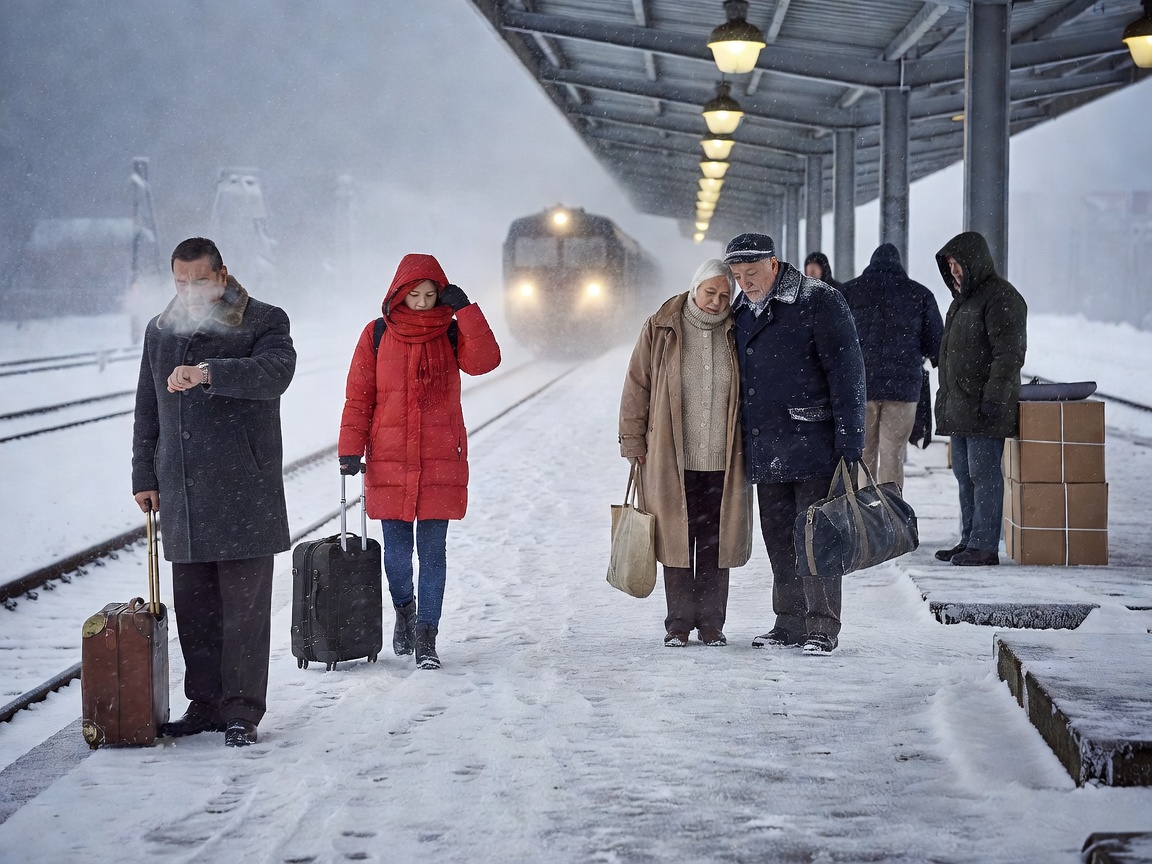
For a winter journey, consider the practical effect of wet clothing, cold waits and changing conditions. Check the latest forecast and service notices close to departure, then make a decision based on your route and operator advice. This is not a promise that disruptions can be avoided; it is a way to be ready to respond. If travel conditions change, use official channels for updated information and follow local guidance.
A practical travel timeline
When choosing a route
Compare total door-to-door time, transfers, fare conditions, access and a backup option.
After booking
Save references, verify names and dates, review baggage rules and share a simple itinerary.
Before leaving
Check current operator notices, weather information, check-in instructions and travel documents.
At each transfer
Confirm the next departure from current information, keep the group together and ask staff when needed.
On arrival
Use the verified route to your stay and allow the group time to settle before the next commitment.
Keep a backup useful, not elaborate
A backup plan can be a short note rather than a second itinerary. Record an alternative route, a place to wait, who to contact and which parts of the trip can move. Know whether accommodation arrival times are flexible, and contact the provider directly if a delay may affect check-in. If the journey is disrupted, prioritise accurate information and the needs of the people travelling with you over trying to preserve every planned activity.
Build pauses into the day after arrival. The first hours are often less predictable than the schedule suggests: people need food, a chance to find the room, time to charge devices or a moment to decompress. An uncomplicated first plan can be a kindness to everyone. The celebration does not have to begin at full speed.
Verify every detail that can change
Routes, timetables, platform information, fares, baggage rules and assistance availability can change. Confirm them directly with the transport provider or official source for your dates. For accommodation, check arrival instructions and current contact details. If you need assistance, arrange it with the provider and confirm how the service works. Keep a note of when you checked the information, and review it again shortly before departure.
Verification note: this page provides general planning prompts only. It does not provide live schedules, prices, availability or disruption alerts. Use current official sources before travelling.